Map

Staff Selection Commission Mastery Pro
कर्मचारी चयन आयोग मास्टरी प्रो
Discover the past, master the exams. Learn the Sources and Introduction of History with absolute precision.
अतीत की खोज करें, परीक्षाओं में महारत हासिल करें। इतिहास के स्रोतों और परिचय को पूर्ण सटीकता के साथ जानें.
General Awareness & History
सामान्य जागरूकता और इतिहास
Chapter 1: Introduction & Sources of History
अध्याय 1: परिचय और इतिहास के स्रोत
1. What is History?
1. इतिहास क्या है?
2. Sources of History
2. इतिहास के स्रोत
3. Shruti and Smriti Texts
3. श्रुति और स्मृति ग्रंथ
4. Section 4 (Coming Soon)
4. अनुभाग 4 (जल्द आ रहा है)
1. What is History & Its Types 1. इतिहास क्या है और इसके प्रकार
Thus the knowledge acquired by the investigation of the events of the past is history. In simple terms, it is the enquiry of the 'human past'. History is the study of change over time, and it covers all aspects of human society.
History is divided mainly into 6 types:


इस प्रकार अतीत की घटनाओं की जांच से प्राप्त ज्ञान ही इतिहास है। सरल शब्दों में, यह 'मानव अतीत' की जांच है। इतिहास समय के साथ बदलाव का अध्ययन है, और यह मानव समाज के सभी पहलुओं को कवर करता है।
इतिहास को मुख्य रूप से 6 प्रकारों में विभाजित किया गया कम से कम है:
2. Classification of the timeline in historical studies 2. ऐतिहासिक अध्ययन में समयरेखा का वर्गीकरण
Historians have classified the study of history into the following divisions based on the tools used in different ages, knowledge of writing and modes of communication:
1. Pre-history
It consists of the events that occurred before the invention of writing. It is further classified chronologically as:
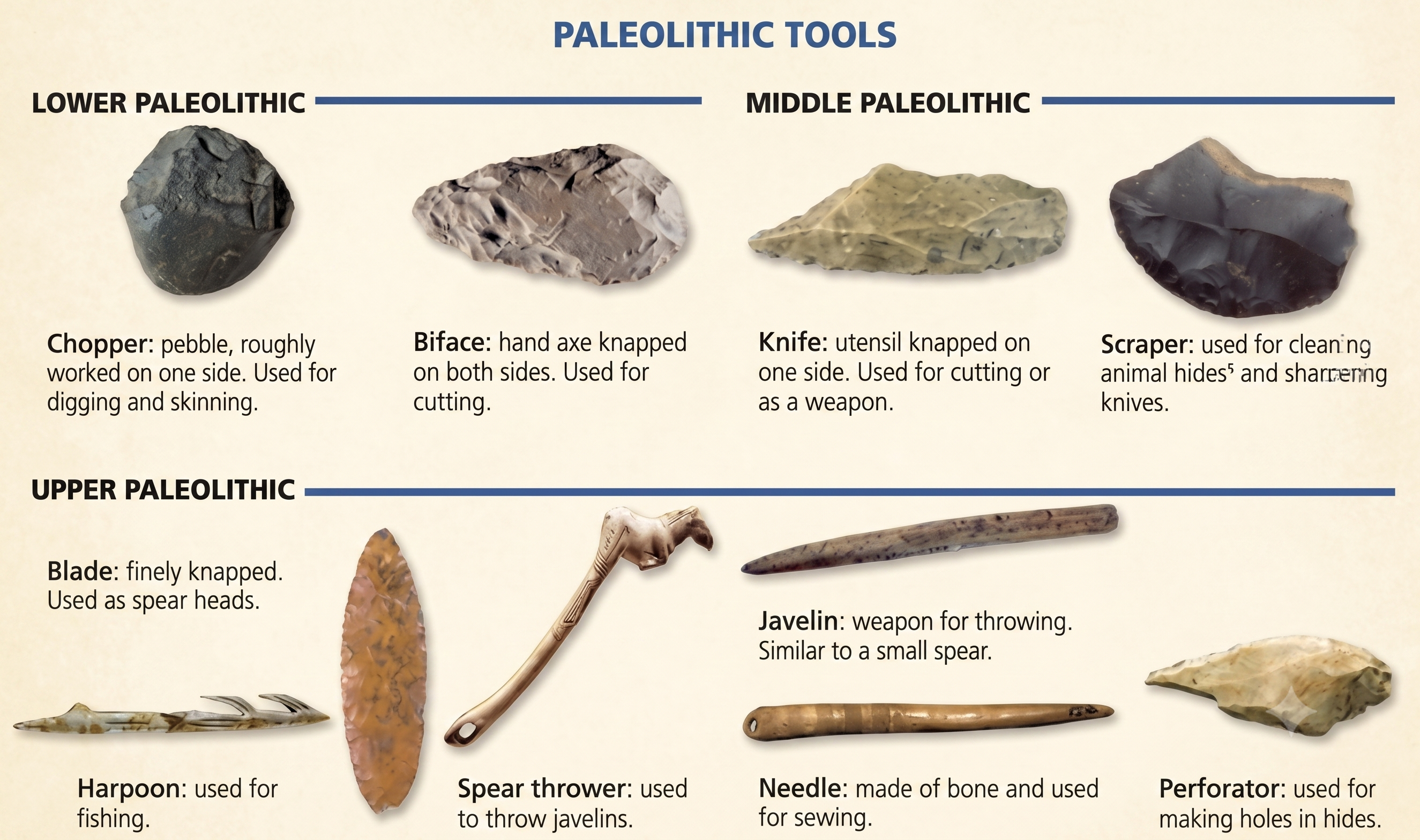
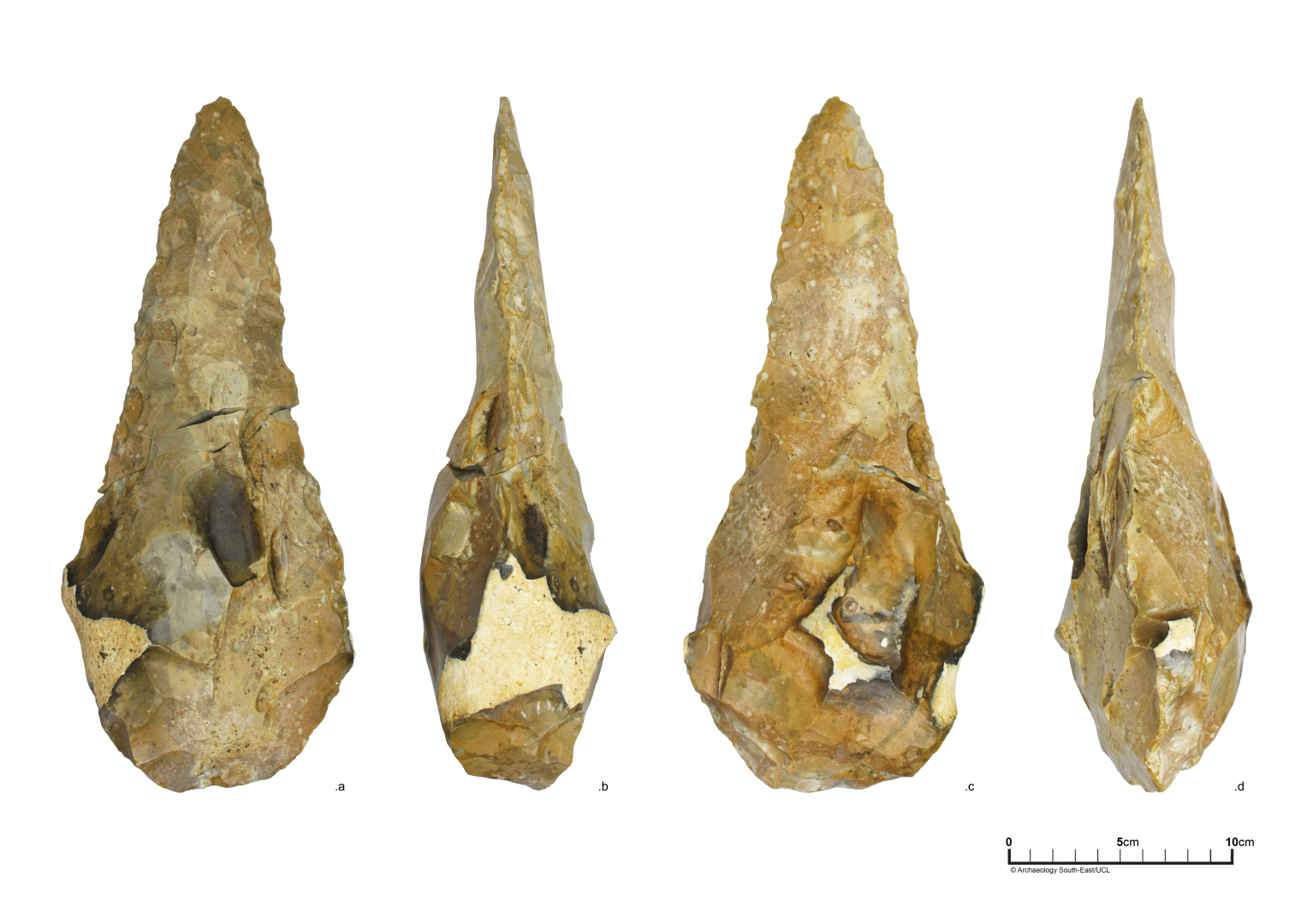
Palaeolithic Age (Old Stone Age)
The Greek word ‘lith’ refers to stone. It was the time when people first started using stone tools. The tools used were unpolished and rough stones. This age features the evolution of proto-humans to humans.
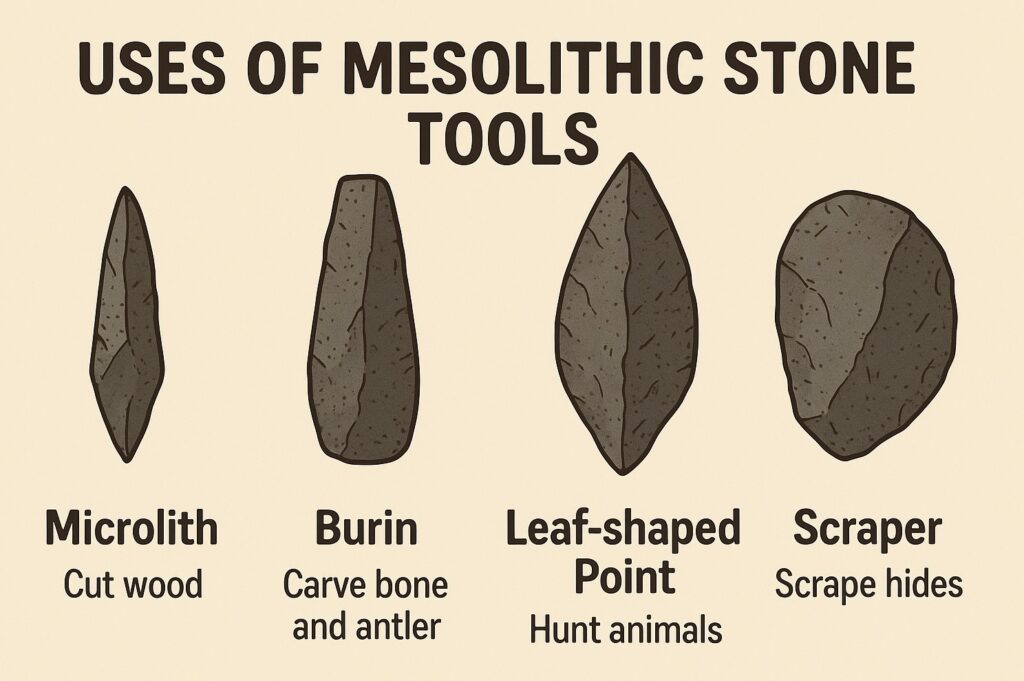
Mesolithic Period (Middle Stone Age)
There is a prevalence of microliths (miniature stone tools) in this age, and by its end, people had started domesticating animals and cultivating plants.
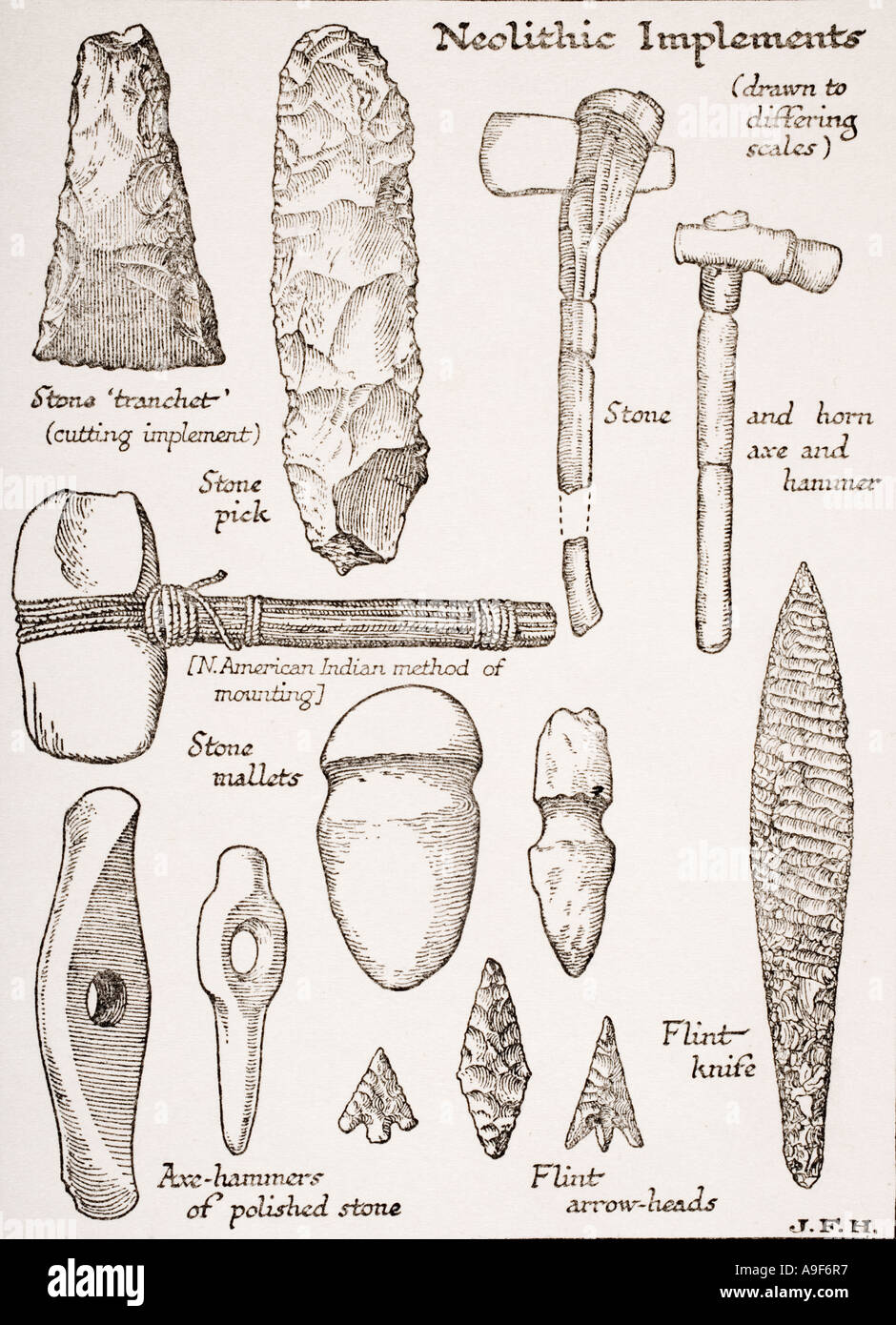
Neolithic Period (New Stone Age)
The beginning of cultivation and the end of the hunting and gathering phase is the distinguishing feature. People used microlithic blades, polished stones, and weapons made of bones, and started living in regular houses.
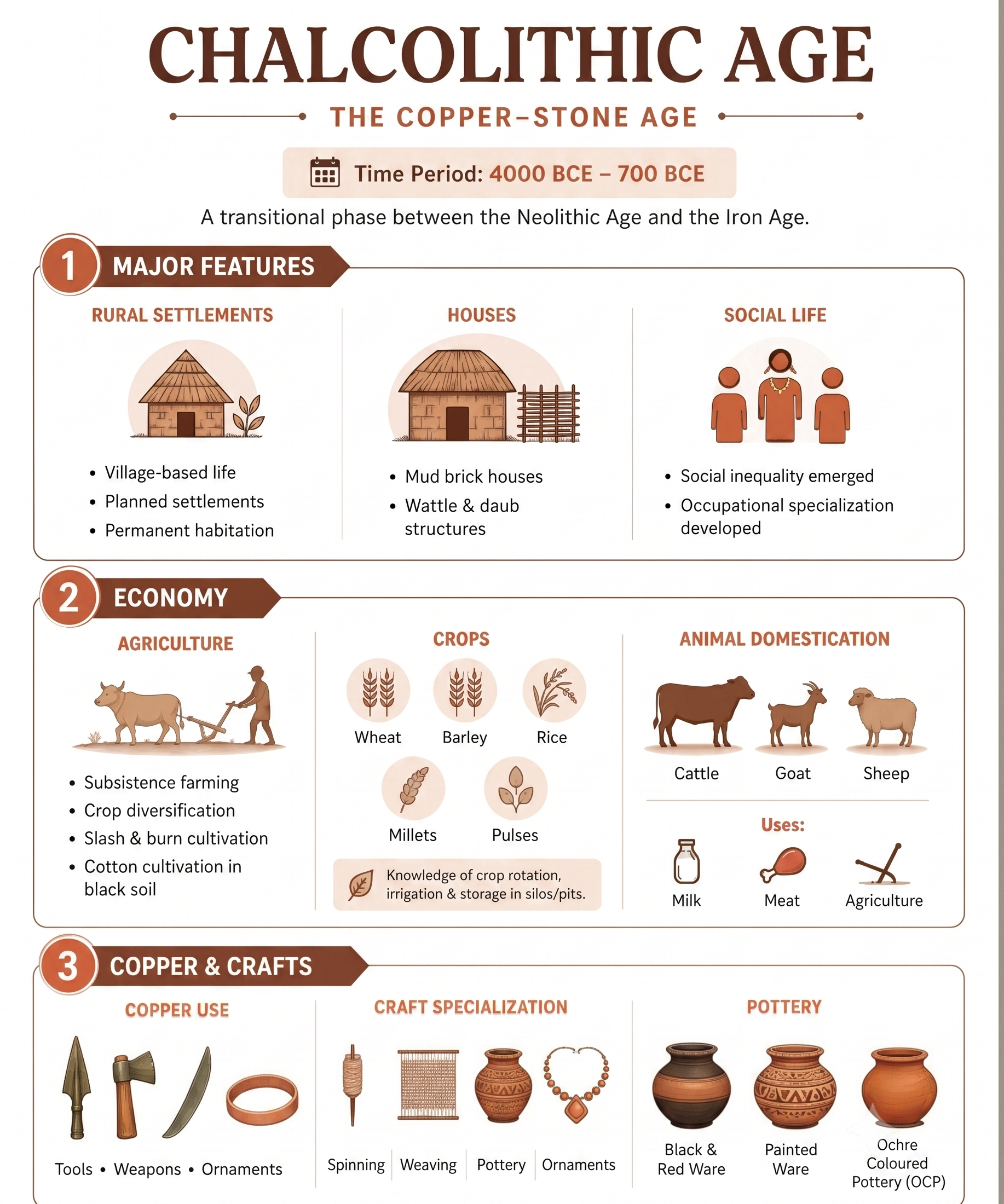
Chalcolithic Period (Stone-Copper Age)
The prefix ‘Chalco’ comes from the Greek word khalkos, meaning ‘copper’. People started using copper along with stone tools. This was the first time metal was used, leading to immense improvement in cultivation techniques.
2. Proto-history
Refers to the civilisation phase of history before the invention of writing. Such civilisations find mention in the writings of other contemporary literate cultures.
Example: The Indus Valley Civilisation (IVC) script remains undeciphered, but it is mentioned in the writings of the Mesopotamian civilisation. Therefore, it is classified as a proto-historical civilisation.
3. History
It consists of events that occurred after the invention of writing. Therefore, it enables us to reconstruct the actual events of the past on the basis of written records and archaeological sources.
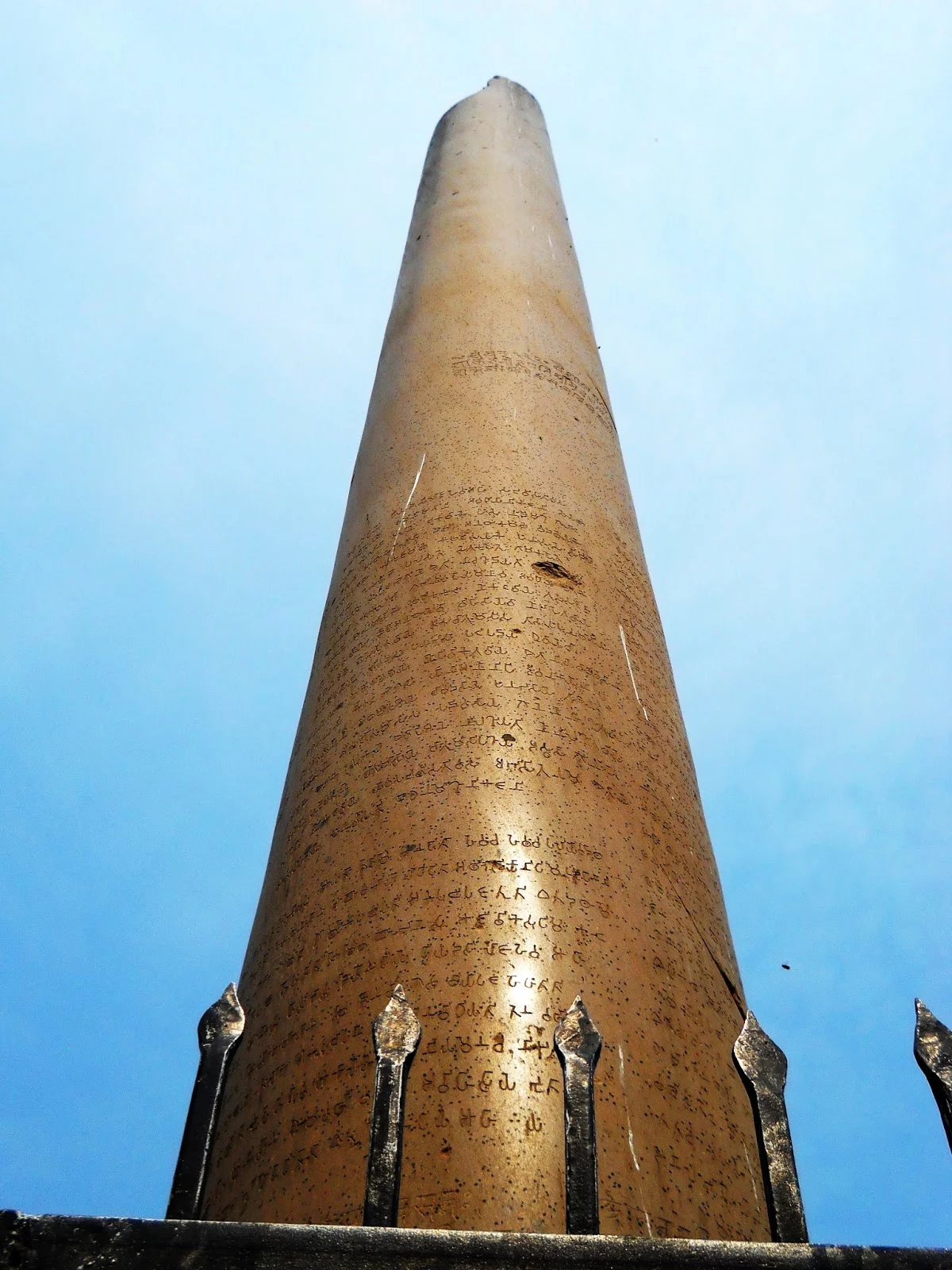
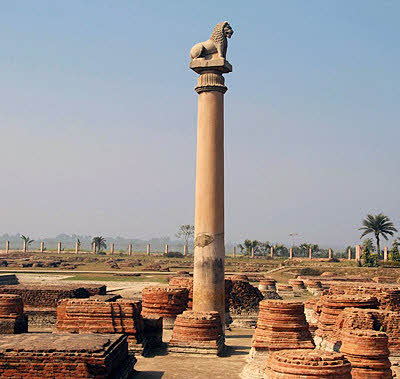
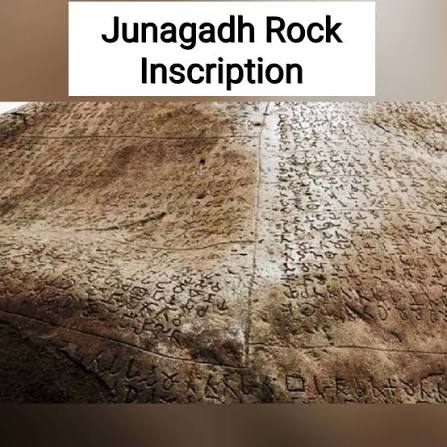
Example: The Edicts of the Ashokan period are an essential source for reconstructing the society, religion, polity, and economy of the past.
इतिहासकारों ने विभिन्न युगों में उपयोग किए जाने वाले उपकरणों, लेखन के ज्ञान और संचार के तरीकों के आधार पर इतिहास के अध्ययन को निम्नलिखित प्रभागों में वर्गीकृत किया है:
1. प्रागैतिहास (Pre-history)
इसमें लेखन के आविष्कार से पहले हुई घटनाएँ शामिल हैं। इसे आगे कालक्रमानुसार इस प्रकार वर्गीकृत किया गया है:
पुरापाषाण काल (प्राचीन पाषाण युग)
ग्रीक शब्द 'लिथ' का अर्थ पत्थर है। यह वह समय था जब लोगों ने पहली बार बिना पॉलिश किए और खुरदरे पत्थर के औजारों का उपयोग करना शुरू किया था। इस युग में प्रोटो-मानव से मानव के विकास की विशेषता है।
मध्यपाषाण काल (मध्य पाषाण युग)
इस युग में माइक्रोलिथ (लघु पत्थर के उपकरण) का प्रचलन है, और इसके अंत तक, लोगों ने जानवरों को पालतू बनाना और पौधों की खेती करना शुरू कर दिया था।
नवपाषाण काल (नया पाषाण युग)
खेती की शुरुआत और शिकार का अंत इस युग की विशिष्ट विशेषता है। लोगों ने पॉलिश किए गए पत्थरों और हड्डियों से बने हथियारों का इस्तेमाल किया और घरों में रहने लगे।
ताम्रपाषाण काल (पाषाण-ताम्र युग)
उपसर्ग 'चालको' ग्रीक शब्द खल्कोस से आया है, जिसका अर्थ 'तांबा' है। लोगों ने पत्थर के औजारों के साथ तांबे का उपयोग करना शुरू कर दिया था। यह पहली बार धातु का उपयोग था।
2. आद्य-इतिहास (Proto-history)
लेखन के आविष्कार से पहले इतिहास के सभ्यता चरण को संदर्भित करता है। ऐसी सभ्यताओं का उल्लेख अन्य समकालीन साक्षर संस्कृतियों के लेखन में मिलता है。
उदाहरण: सिंधु घाटी सभ्यता (IVC) की लिपि को अभी तक पढ़ा नहीं जा सका है, लेकिन मेसोपोटामिया सभ्यता के लेखों में इसका उल्लेख है।
3. इतिहास (History)
इसमें लेखन के आविष्कार के बाद हुई घटनाएँ शामिल हैं। यह हमें लिखित रिकॉर्ड और पुरातात्विक स्रोतों के आधार पर अतीत की घटनाओं के पुनर्निर्माण में सक्षम बनाता है।
उदाहरण: अशोक काल के शिलालेख समाज, धर्म, राजनीति और अर्थव्यवस्था के पुनर्निर्माण के लिए एक आवश्यक स्रोत हैं।
3. Classification of the Historical Period 3. ऐतिहासिक काल का वर्गीकरण
The Historical period is further divided into loosely defined broad sub-periods, wiz. Ancient History, Medieval History, Modern Age, and the contemporary age.
It is generally classified as the history before the invention of paper. In this age, we generally study inscriptions on metal plates, rocks and monuments. It also includes written artefacts on leaves.
Generally, the period between 500AD and 1500AD is considered medieval history. However, in India, Medieval history extends from the 11th Century to the middle of the 18th Century (1750). This period saw the introduction and gradual adoption of paper. Therefore the text records increased dramatically, which is the primary source of reconstruction of medieval history.
In European History, the period after the end of the middle ages (1500AD) is referred to as the Modern era. Similarly, in the study of Indian history, the age after the decline of the Mughals till the Indian Independence is known as Modern History. It roughly corresponds to the British rule in India.
Indian History after the Indian Independence in 1947 is generally known as post-Independence History or Contemporary History. However, many world historians include the history of the world wars too in this period.
ऐतिहासिक काल को आगे शिथिल रूप से परिभाषित व्यापक उप-कालों में विभाजित किया गया है, जैसे प्राचीन इतिहास, मध्यकालीन इतिहास, आधुनिक युग और समकालीन युग।
इसे आमतौर पर कागज के आविष्कार से पहले के इतिहास के रूप में वर्गीकृत किया जाता है। इस युग में, हम आम तौर पर धातु की प्लेटों, चट्टानों और स्मारकों पर शिलालेखों का अध्ययन करते हैं।
आमतौर पर, 500 ईस्वी और 1500 ईस्वी के बीच की अवधि को मध्यकालीन इतिहास माना जाता है। हालाँकि, भारत में, मध्यकालीन इतिहास 11वीं शताब्दी से 18वीं शताब्दी के मध्य (1750) तक फैला है। इस अवधि में कागज की शुरूआत और क्रमिक रूप से अपनाना देखा गया।
यूरोपीय इतिहास में, मध्य युग (1500 ईस्वी) के अंत के बाद की अवधि को आधुनिक युग के रूप में जाना जाता है। इसी तरह, भारतीय इतिहास के अध्ययन में, मुगलों के पतन के बाद से भारतीय स्वतंत्रता तक के युग को आधुनिक इतिहास के रूप में जाना जाता है।
1947 में भारतीय स्वतंत्रता के बाद के भारतीय इतिहास को आम तौर पर स्वतंत्रता के बाद का इतिहास या समकालीन इतिहास कहा जाता है।
4. The Historian's Approach & Purpose 4. इतिहासकार का दृष्टिकोण और उद्देश्य
History covers all aspects of human society. Political, social, economic, scientific, technological, medical, cultural, intellectual, religious and military developments are all part of history. Usually professional historians specialize in a particular aspect of history, a specific time period, a certain approach to history or a specific geographic region.
Does History Repeat Itself?
Non-historians often say that “history repeats itself” or that “things were always this way.” History is simply defining as the study of the human past from written, visual, and spoken sources with the analysis and interpretation.
The main purposes of the history are to study continuity and change over time. By studying history historians can describe explain the causes and consequences of events Therefore, it should be said that history can be define as understanding past and present.
Through the study of history, it should be understanding that how people and societies have changed, developed and how past shaped the future means how the society we live in came to be.
It should not be forgetting that without describe, examine, question, and analyze these both written and non-written historical sources by historians, these sources are silent and incomplete.
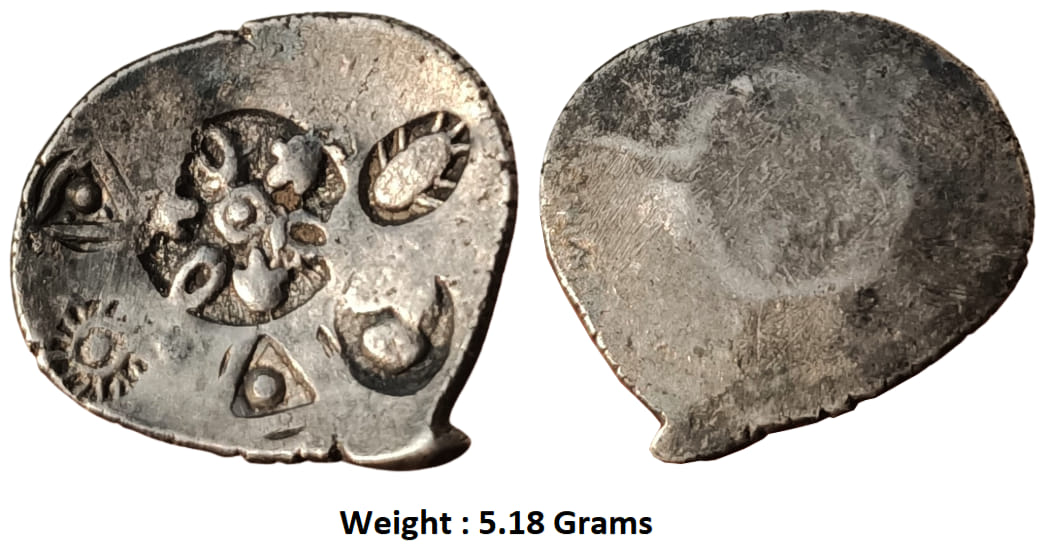
History also cannot be thought without other disciplines such as economics, anthropology, geography, archeology, numismatics, and linguistics. Thus history can be used to understand other disciplines and other disciplines also helps history to understand past and change over time.
इतिहास मानव समाज के सभी पहलुओं को कवर करता है। राजनीतिक, सामाजिक, आर्थिक, वैज्ञानिक, तकनीकी, चिकित्सा, सांस्कृतिक, बौद्धिक, धार्मिक और सैन्य विकास सभी इतिहास का हिस्सा हैं। आमतौर पर पेशेवर इतिहासकार इतिहास के किसी विशेष पहलू, एक विशिष्ट समय अवधि, इतिहास के लिए एक निश्चित दृष्टिकोण या एक विशिष्ट भौगोलिक क्षेत्र के विशेषज्ञ होते हैं。
क्या इतिहास खुद को दोहराता है?
गैर-इतिहासकार अक्सर कहते हैं कि "इतिहास खुद को दोहराता है" या "चीजें हमेशा ऐसी ही थीं।" इतिहास को केवल लिखित, दृश्य और बोले गए स्रोतों से मानव अतीत के अध्ययन के रूप में परिभाषित किया जा रहा है जिसके साथ विश्लेषण और व्याख्या भी जुड़ी है।
इतिहास का मुख्य उद्देश्य समय के साथ निरंतरता और परिवर्तन का अध्ययन करना है। इतिहास का अध्ययन करके इतिहासकार घटनाओं के कारणों और परिणामों का वर्णन और व्याख्या कर सकते हैं। इसलिए, यह कहा जाना चाहिए कि इतिहास को अतीत और वर्तमान को समझने के रूप में परिभाषित किया जा सकता है।
इतिहास के अध्ययन के माध्यम से, यह समझना चाहिए कि लोग और समाज कैसे बदले हैं, कैसे विकसित हुए हैं और कैसे अतीत ने भविष्य को आकार दिया है, जिसका अर्थ है कि जिस समाज में हम रहते हैं वह कैसे बना।
यह नहीं भूलना चाहिए कि इतिहासकारों द्वारा इन दोनों लिखित और अलिखित ऐतिहासिक स्रोतों का वर्णन, परीक्षण, पूछताछ और विश्लेषण किए बिना, ये स्रोत मौन और अधूरे हैं।
अर्थशास्त्र, मानव विज्ञान, भूगोल, पुरातत्व, मुद्राशास्त्र और भाषा विज्ञान जैसे अन्य विषयों के बिना भी इतिहास के बारे में नहीं सोचा जा सकता है। इस प्रकार इतिहास का उपयोग अन्य विषयों को समझने के लिए किया जा सकता है और अन्य विषय भी इतिहास को समझने में मदद करते हैं।
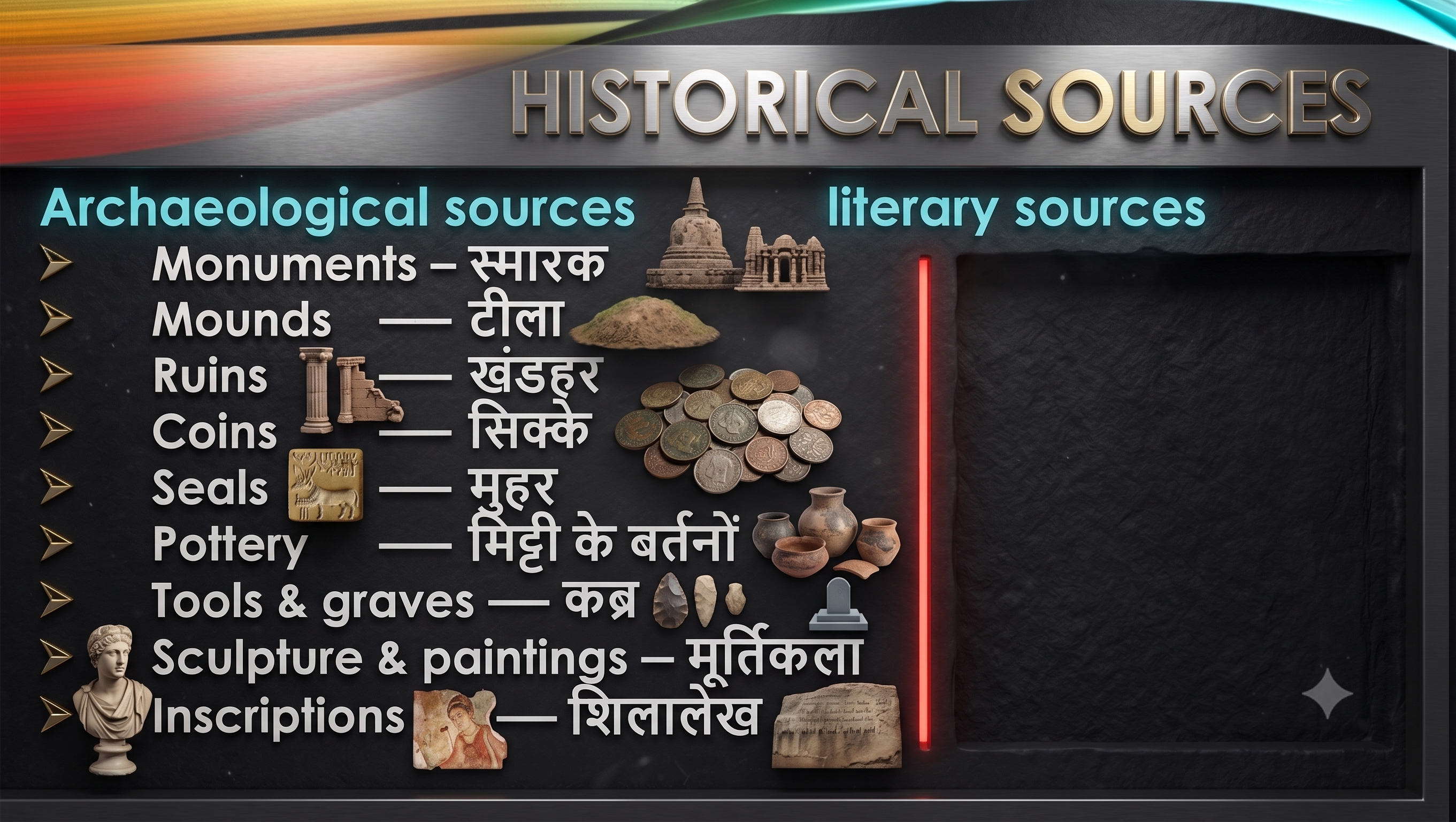
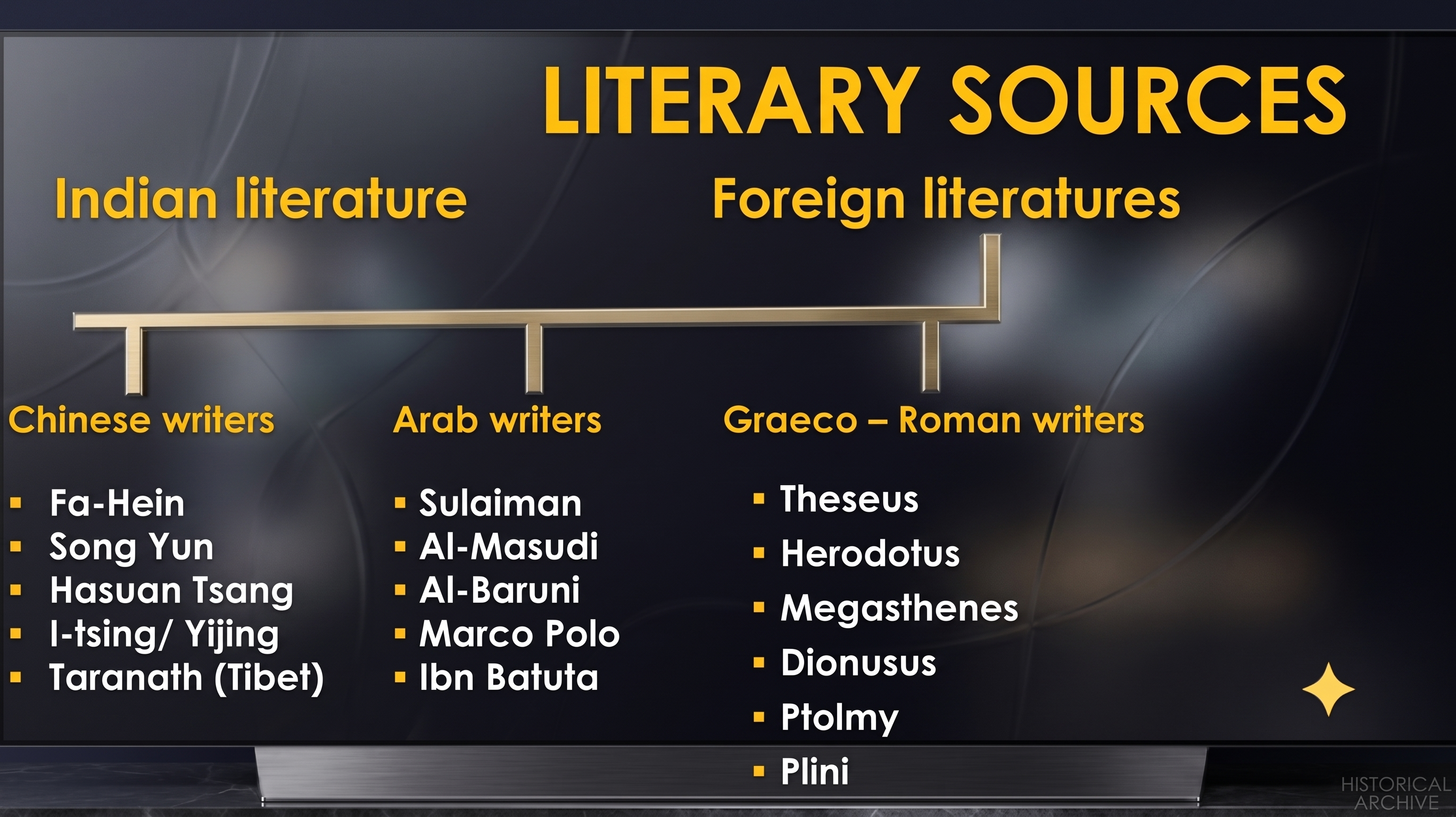


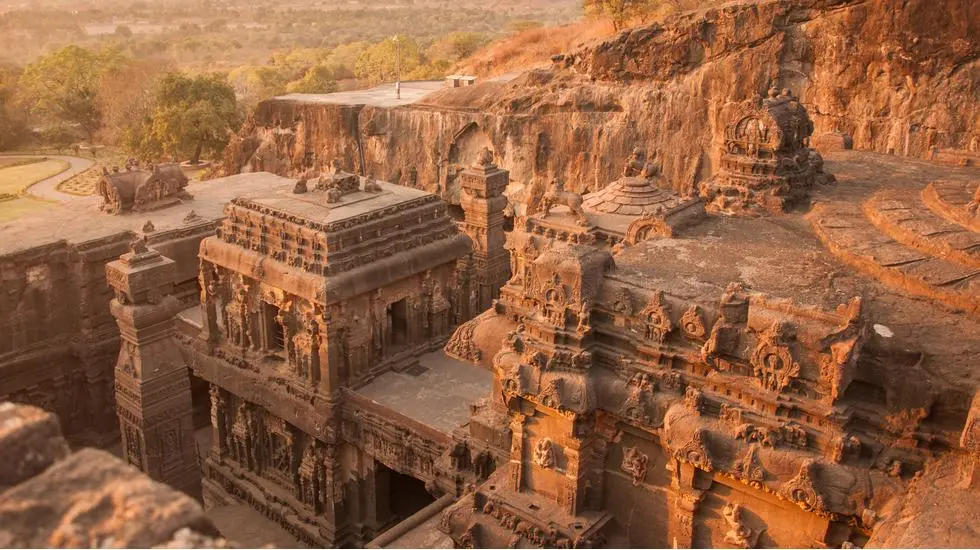
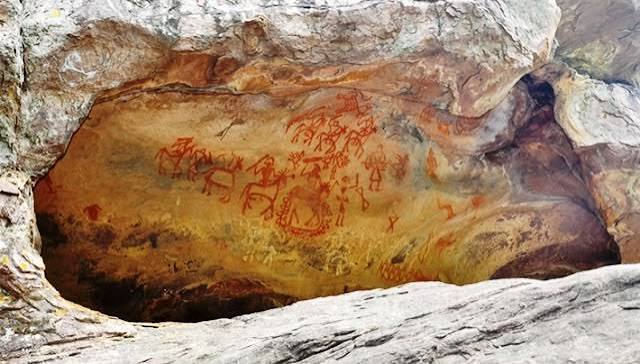
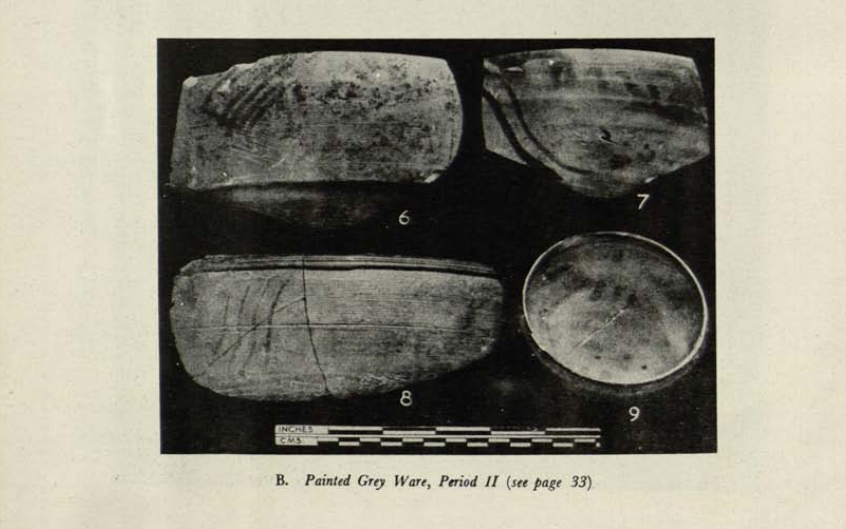
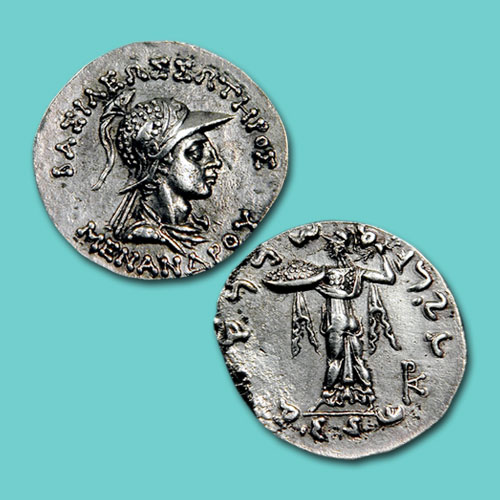
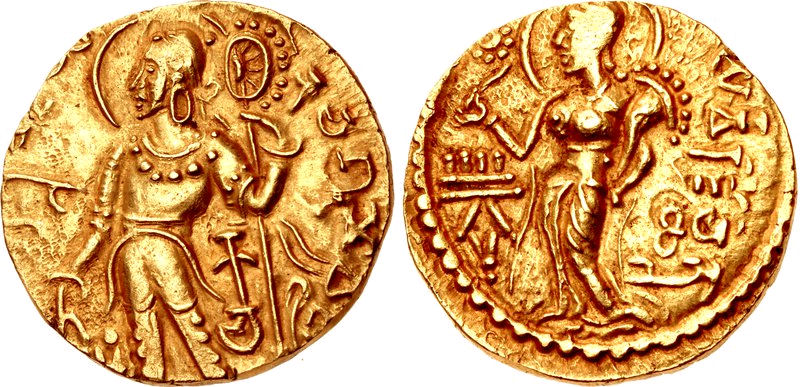

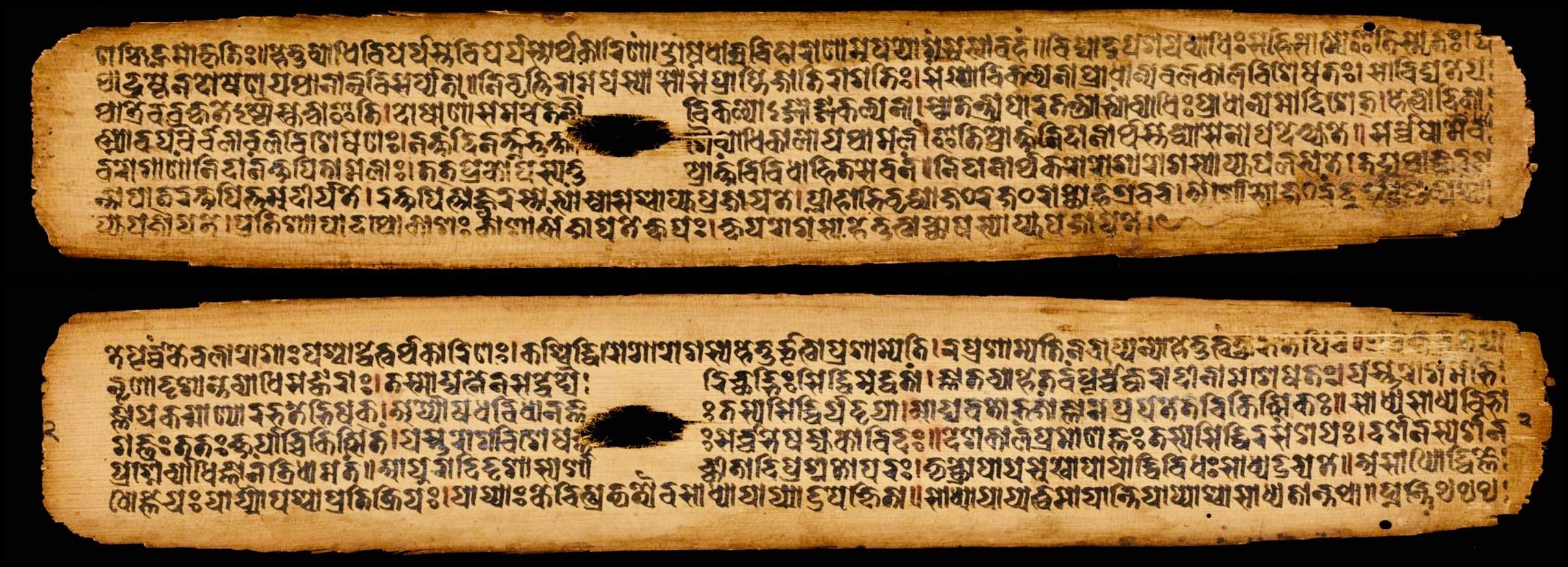
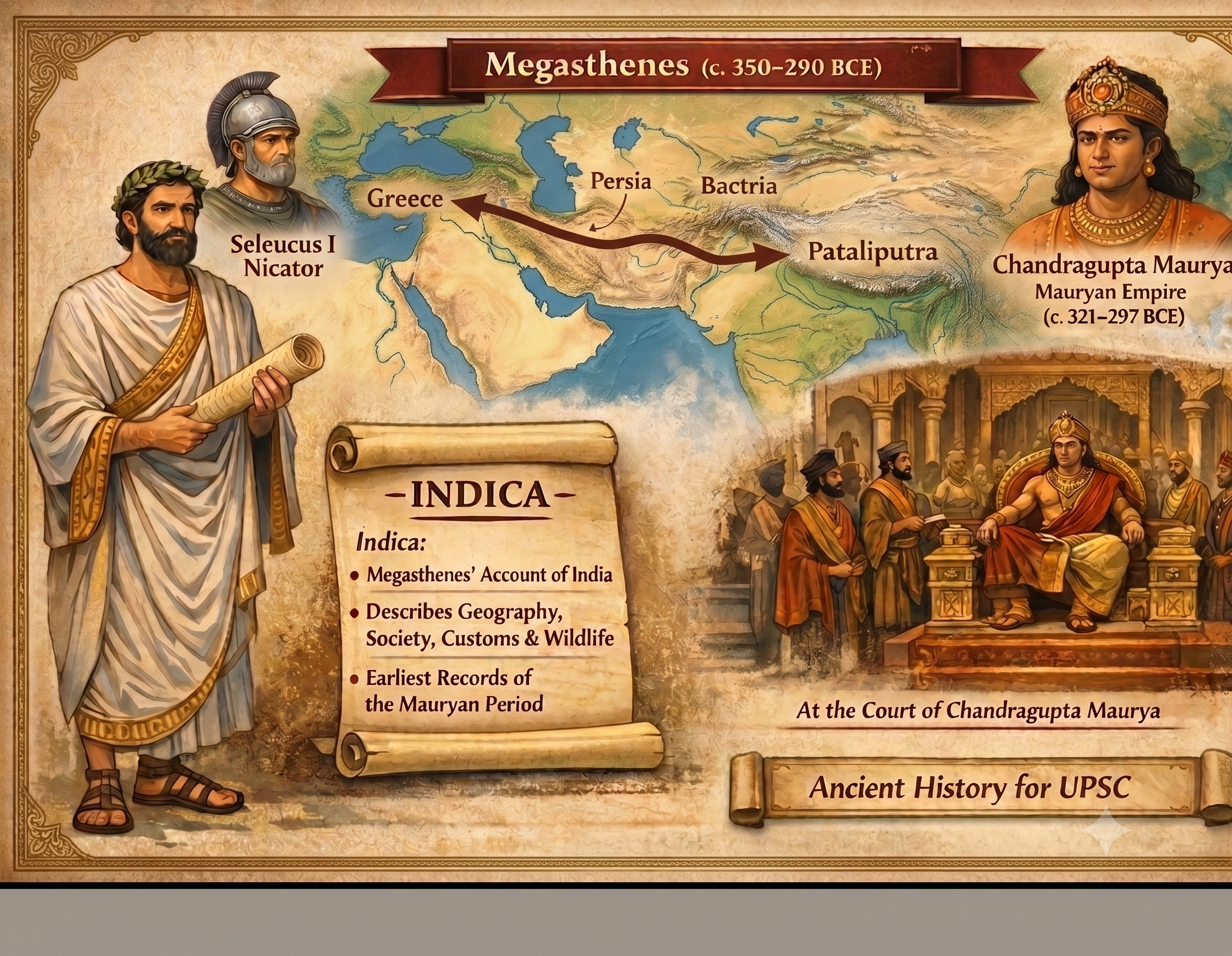

The Ultimate Guide to Ancient Indian Literature:
Shruti vs. Smriti Texts
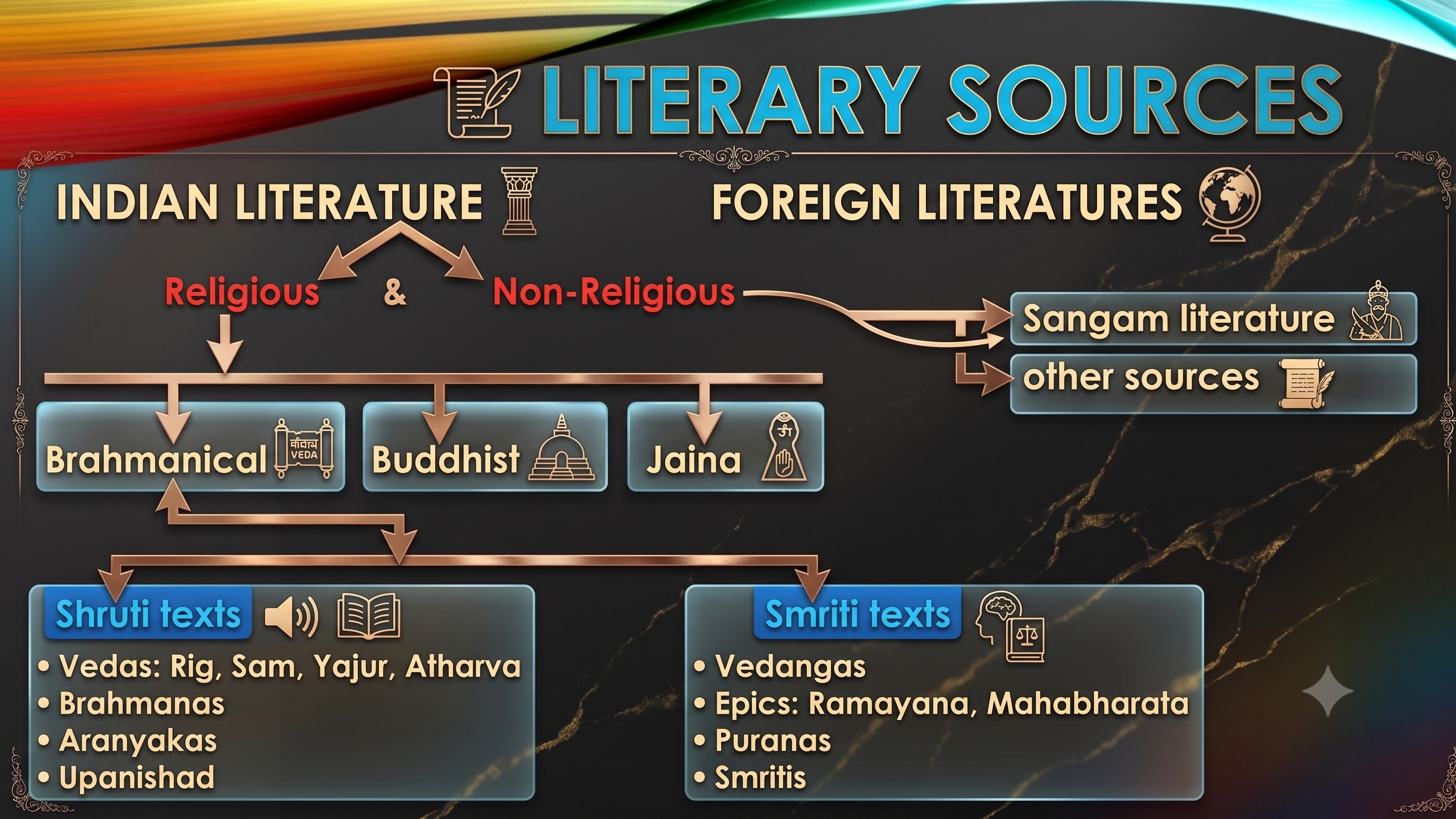
In ancient Indian tradition, sacred and historical literature is broadly classified into two distinct categories based on their origin, authority, and transmission: Shruti (that which is heard) and Smriti (that which is remembered).
Understanding the chronological evolution, structural distinction, and specific sub-texts within these categories is fundamental for mastering Ancient Indian History and Art & Culture for UPSC, SSC, and State PSC examinations.
1. Shruti Texts: The Divine Revelations
The word Shruti is derived from the Sanskrit root Shru, meaning "to hear." These texts comprise the core foundational scriptures of Hinduism and ancient Indian philosophy.
Key Characteristics
- Divine Origin: They are considered Apaurusheya (not created by humans) and Nitya (eternal). They are believed to be cosmic vibrations heard directly by ancient sages (Rishis).
- Infallible Authority: In any theological or philosophical debate, Shruti texts hold supreme and absolute authority over all other texts.
- Oral Transmission: Transmitted orally for millennia before being documented. Special chanting techniques (Ghana-patha, Jata-patha, Krama-patha) were developed to ensure zero phonetic corruption.
A. The Four Vedas & Their Ecosystem
Each Veda has its own dedicated priest (Ritvik) who recites it during Yajnas, along with associated Brahmanas, Upanishads, and Upavedas. (Highly tested in UPSC Prelims matching questions).
| Veda | Core Focus | Priest (Ritvik) | Key Brahmanas | Major Upanishads | Associated Upaveda |
|---|---|---|---|---|---|
| Rigveda | Hymns and Prayers to Deities | Hotri (Hotar) | Aitareya, Kaushitaki | Aitareya, Kaushitaki | Ayurveda (Medicine) |
| Samaveda | Melodies and Chants (Origin of Music) | Udgatri (Udgatir) | Panchavimsha, Jaiminiya | Chandogya, Kena | Gandharvaveda (Music/Arts) |
| Yajurveda | Sacrificial Rituals and Formulas | Adhvaryu | Shatapatha, Taittiriya | Brihadaranyaka, Katha, Isha | Dhanurveda (Archery/War) |
| Atharvaveda | Charms, Spells, and Early Medicine | Brahman | Gopatha | Mundaka, Mandukya, Prashna | Shilpaveda (Architecture) |
B. The Four Layers of Each Veda
- Samhitas: The core collection of hymns and mantras.
- Brahmanas: Prose texts detailing the rules, methodology, and theological significance of the Vedic rituals. (Note: Shatapatha Brahmana is the largest and most important, mentioning agricultural rituals).
- Aranyakas: Known as "Forest Books." These bridge the gap between ritualistic action (Karma Kanda) and philosophy (Jnana Kanda), meant for hermits retreating to the forests.
- Upanishads: The concluding portion of the Vedas, widely referred to as Vedanta (End of the Vedas). They reject physical rituals in favor of deep philosophical inquiry. They deal with Brahman (Ultimate Reality), Atman (The Soul), Karma, and Moksha (Liberation).
2. Smriti Texts: The Remembered Traditions
The word Smriti comes from the root Smri, meaning "to remember." Written by human authors (Paurusheya), these texts systematically organize, explain, and apply Shruti knowledge to daily life, law, and governance.
Major Components of Smriti Literature
1. Vedangas (The Six Limbs of the Veda)
Auxiliary sciences developed to help students understand and apply the Vedas correctly.
- Shiksha: Phonetics and pronunciation.
- Chandas: Metrics and poetic meter.
- Vyakarana: Grammar and linguistic analysis (e.g., Panini's Ashtadhyayi).
- Nirukta: Etymology and glossary of complex words (e.g., Yaska's Nirukta).
- Kalpa: Ritual instructions. Divided into Shrauta Sutras (public sacrifices), Grihya Sutras (domestic rituals), and Dharma Sutras (law/customs). Note: The Sulba Sutras (part of Kalpa) contain the earliest references to Indian Geometry and the Pythagoras theorem used for fire altar construction.
- Jyotisha: Astronomy and astrology to determine auspicious times.
2. Itihasas (The Epics)
- The Ramayana: Authored by Sage Valmiki. Contains 24,000 verses divided into 7 Kandas (Books). Known as the Adi Kavya.
- The Mahabharata: Authored by Sage Vyasa. Originally called Jaya Samhita (8,800 verses), later expanded to Bharata (24,000 verses), and finally Mahabharata (100,000 verses). The Bhagavad Gita is found within its Bhishma Parva.
3. Puranas (Mythology & History)
There are 18 Maha-Puranas. For competitive exams, their historical linkages to ancient dynasties are highly important:
- Matsya Purana: The oldest Purana. Provides the genealogy of the Satavahana Dynasty.
- Vishnu Purana: Provides the genealogy of the Mauryan Dynasty.
- Vayu Purana: Provides the genealogy of the Gupta Dynasty.
4. Dharmashastras (Law Books)
Treatises on social duties, jurisprudence, statecraft, and ethics. Key texts include the Manusmriti (oldest), Yajnavalkya Smriti, and Narada Smriti. In medieval times, Hindu law split into two main schools based on these texts: Mitakshara (written by Vijnaneshwara) and Dayabhaga (written by Jimutavahana).
3. Shad Darshana: The Six Schools of Indian Philosophy
While philosophical in nature, these orthodox (Astika) schools accept the authority of the Vedas. (A guaranteed matching topic in UPSC Prelims).
| School of Philosophy | Founder / Key Sage | Core Philosophy / Key Theme |
|---|---|---|
| Samkhya | Kapila | Oldest school. Dualistic philosophy distinguishing between Purusha (consciousness) and Prakriti (matter/nature). Originally non-theistic. |
| Yoga | Patanjali | Practical application of Samkhya. Focuses on physical and mental discipline, meditation, and the eight-fold path (Ashtanga) to achieve liberation. |
| Nyaya | Gautama | School of logic and epistemology. Believes that gaining valid knowledge is the only way to attain liberation. Focuses on logical reasoning (Syllogism). |
| Vaisheshika | Kanada | Atomic theory of the universe. Believes all material objects are made of atoms (Paramanu). Developed a highly scientific approach to existence. |
| Purva Mimamsa | Jaimini | Focuses on the philosophical justification of Vedic rituals (Karma Kanda). Believes that performing duties (Dharma) flawlessly leads to heaven. |
| Uttara Mimamsa (Vedanta) | Badarayana (Vyasa) | Based strictly on the Upanishads (Jnana Kanda). Focuses on the relationship between Atman (soul) and Brahman (ultimate reality). |
*Note: Lokayata / Charvaka is a major Heterodox (Nastika) school of Indian philosophy that completely rejects the Vedas. It is a materialistic school founded by Brihaspati/Charvaka.
🎯 Ultimate Competitive Exam Master-Facts
The Definitive PYQ Data Bank for UPSC, SSC & State PSCs
1. Upanishadic Dialogues & Verses (Highly Repeated)
- Satyameva Jayate: The national motto ("Truth Alone Triumphs") is extracted from the Mundaka Upanishad.
- Yama-Nachiketa Dialogue: The famous debate on death, immortality, and the soul is found in the Katha Upanishad.
- "Tat Tvam Asi" (Thou Art That): This Mahavakya (Grand Pronouncement) is found in the Chandogya Upanishad.
- First Mention of Lord Krishna: Devaki's son, Krishna, is first mentioned as a scholar in the Chandogya Upanishad.
- Yajnavalkya-Maitreyi Dialogue: A profound debate on the absolute self and worldly wealth found in the Brihadaranyaka Upanishad (the oldest and largest Upanishad).
- "Asato Ma Sadgamaya": The famous prayer ("Lead us from ignorance to truth") is taken from the Brihadaranyaka Upanishad.
- Ashrama System: The four stages of life (Brahmacharya, Grihastha, Vanaprastha, Sannyasa) are first mentioned together in the Jabala Upanishad.
2. Rigvedic Rivers (Crucial for Matching Questions)
| Ancient (Rigvedic) Name | Modern Name |
|---|---|
| Sindhu | Indus |
| Vitasta | Jhelum |
| Asikni | Chenab |
| Parushni | Ravi (Battle of 10 Kings fought here) |
| Vipasha | Beas |
| Sutudri | Sutlej |
| Drishadvati / Naditarna | Saraswati (Most pious river in Rigveda) |
3. Vedic Society, Gods, & Administration
- The Boghazkoi Inscription (1400 BC): Found in modern-day Turkey, it mentions Rigvedic gods Indra, Varuna, Mitra, and Nasatyas, proving the movement of Vedic Aryans.
- Important Gods: Indra (Purandara/Destroyer of Forts) is the most prominent god with 250 hymns. Agni (Fire/Intermediary to gods) has 200 hymns. Varuna is the upholder of Rta (Cosmic/Moral order).
- Soma Deity: The entire 9th Mandala of the Rigveda is dedicated exclusively to the plant/deity Soma.
- Vedic Assemblies: The Rigveda mentions several tribal assemblies. The Vidatha is considered the oldest. The Sabha (council of elders) and Samiti (general assembly) are famously called the "two twin daughters of Prajapati" in the Atharvaveda.
- Economic Terms: Nishka was originally a gold neck ornament that later functioned as a unit of currency. Bali was a voluntary offering/tax given to the tribal chief (Rajan) by the people.
- Oldest Word for Cow: The term Aghanya (not to be killed) was used for cows in the Rigveda, indicating their immense economic value as the primary measure of wealth.
- The Varna System: The first explicit reference to the four-fold societal division is found in the Purusha Sukta of the 10th Mandala of the Rigveda.
4. Literature Distinctions & Rules
- Upanishad vs. Upaveda: A common exam trap. Upanishads are Shruti (Philosophy/Vedanta). Upavedas are Smriti (Applied sciences like Ayurveda).
- Shruti vs. Smriti Conflict: In ancient Hindu jurisprudence, if a Smriti text contradicts a Shruti text, the Shruti text definitively prevails.
- The Bhagavad Gita's Status: Structurally, it is part of the Mahabharata, making it a Smriti text. However, traditional scholars elevate its authority to that of an Upanishad (referred to as Gitopanishad).
🎥 Masterclass Video Lectures
Watch these expert video lectures to build a strong foundation in Sources of History.
🎥 मास्टरक्लास वीडियो लेक्चर
इतिहास के स्रोतों में एक मजबूत नींव बनाने के लिए इन विशेषज्ञ वीडियो लेक्चर को देखें।
🏆 Decade Mastery: SSC PYQ Tests (2014-2024)
🏆 दशक की महारत: SSC पिछले वर्ष के प्रश्न (2014-2024)
Top 25 Real Introduction to History questions asked in various SSC exams.
विभिन्न SSC परीक्षाओं में पूछे गए शीर्ष 25 वास्तविक इतिहास के परिचय प्रश्न।
View Answer & Logic
Logic: 'Historia' translates to "knowledge obtained by inquiry".
उत्तर और तर्क देखें
तर्क: 'हिस्टोरिया' का अनुवाद "पूछताछ द्वारा प्राप्त ज्ञान" है।
L1: Pre & Proto History Testsस्तर 1: प्रागैतिहास और आद्य-इतिहास परीक्षण
L2: Historical Periods Testsस्तर 2: ऐतिहासिक काल परीक्षण
L3: Core Concepts Testsस्तर 3: मुख्य अवधारणाएँ परीक्षण
🔮 Top 50 Expected Questions
🔮 टॉप 50 संभावित प्रश्न
Highly probable History patterns for upcoming SSC exams.
आगामी SSC परीक्षाओं के लिए अत्यधिक संभावित इतिहास पैटर्न।